The Farm
Discover the traditions and flavors of our farm
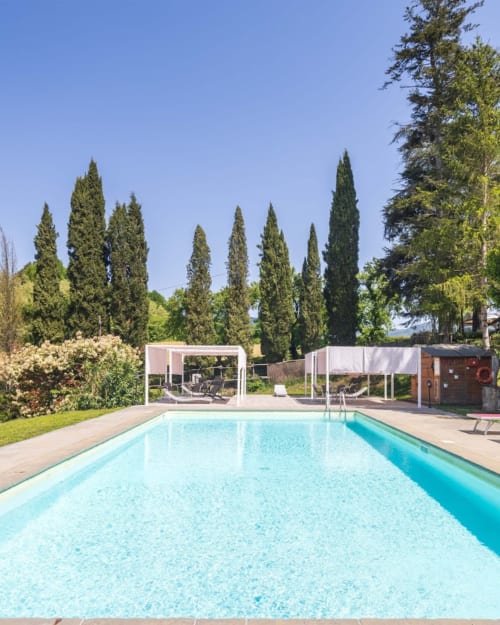
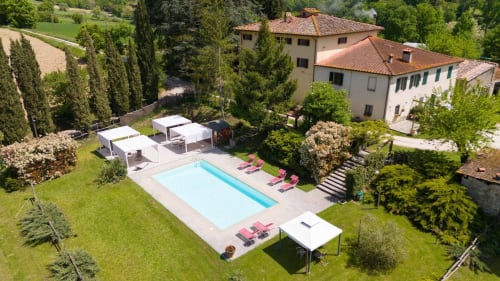
Farmhouse La Topaia
The heart of the farm is the hill on which the Villa stands. In ancient times (13th-14th centuries) the villa was the only existing building on the farm.
Only much later, in the 19th century, would a large farmhouse be added to this ancient nucleus, and then later the stable, barn and loggia.
A long and careful renovation has helped to breathe new life into the farm, turning the spaces no longer needed for farming into tourist accommodation.The management is almost solely family-run, with Matteo and Giulia personally overseeing the farm work and reception
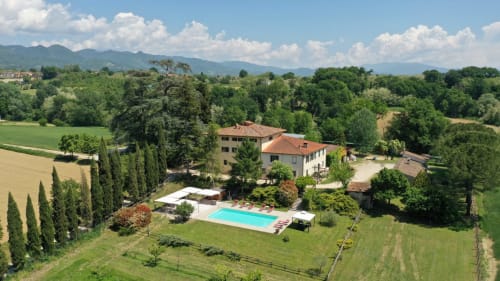
The Valley of Agriturismo La Topaia
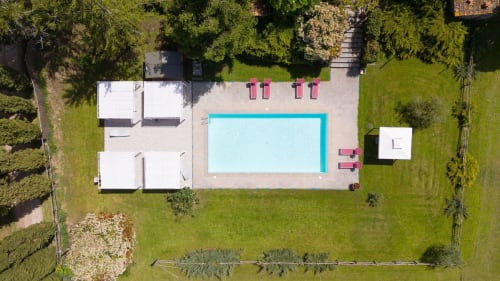
Excursions & Sports
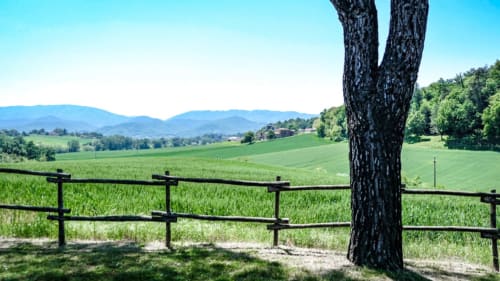
Our location in the heart of Mugello, at the foot of the Tuscan Apennines, offers an exceptional window on a fascinating glimpse of the Tuscan countryside, punctuated on the right by the ancient Romanesque parish church of San Giovanni Maggiore and on the left by the imposing Villa di Corte dei Marchesi Frescobaldi with its century-old park.
There is no shortage of shopping opportunities, sports facilities and nature hiking trails in the area
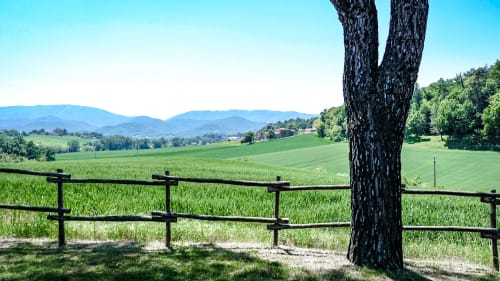
Farm
Agriturismo La Topaia reflects the typical conformation of ancient Tuscan farms: in a dominant position, on the top of a small hill, the buildings used for living and working; all around, sloping, the cultivated fields.
Merlot grapes, sunflower wheat and hemp are produced on our farm, following the rotations that ancient customs suggest. Cultivation is conducted according to the methods of integrated pest management (whose regulations are recognized by the Region of Tuscany), that is, with a type of processing careful to reduce the use of chemicals and in any case preferring selective preparations with low environmental impact.
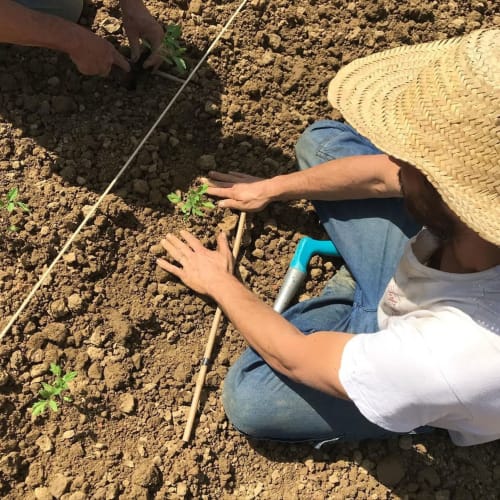
We then take great care of the family garden for the production of fresh vegetables and herbs that we gladly share with our guests. A separate discourse deserves our small orchard, in which we grow peaches, pears and other seasonal fruits in a completely natural way, delicious as fresh produce and for the packaging of cakes and other delicacies, which guests can enjoy by having breakfast with us
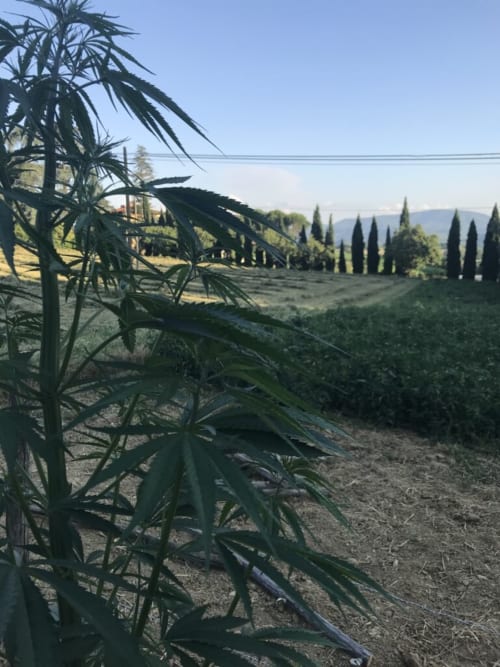
Hemp
Since 2013, driven by the desire to rediscover the ancient traditions of hemp cultivation in our countryside of Mugello, at the foot of the Apennines, in the province of Florence.
We started growing hemp for food uses when interest in hemp farming was very low, and over the years we have learned the myriad secrets of growing this age-old plant and the benefits it brings to our daily diet.
All our products are processed, from planting to harvesting, strictly by hand, to keep the original characteristics of the plant intact. Our hemp grows in the hills of Mugello, at the foot of the Tuscan-Emilian Apennines, surrounded by vineyards and wheat fields
Mugello bread, merlot grapes, seasonal vegetables and fruits
The Agriturismo La Topaia farm joins the "pane del Mugello" project, a consortium of entrepreneurs (farmers, millers and bakers) who through a carefully monitored and certified supply chain produce wheat that is stone ground in ancient water mills and then transformed into bread using the natural leavening method and baking in a wood-fired oven.
The result is a typical Tuscan bread with an amber color, compact and fragrant, which keeps fresh for several days and once stale is the perfect protagonist of traditional dishes of the famous Tuscan and Mugello "cucina povera": ribollita, panzanella, pappa al pomodoro just to name a few simple delicacies
Video
Dino Campana and Sibilla Aleramo
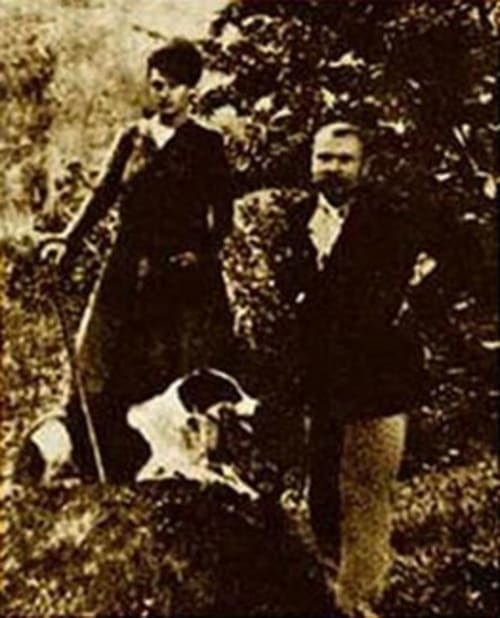
"... Tonight is the last of this loneliness at the Topaia. (Those blessed Luchaire, had I known they were so late in coming back! ... But one must not wish them ill: without this vacation in their house, who knows when we would have found each other, you and I)..."
Sibilla Aleramo
Agriturismo La Topaia, Borgo San Lorenzo- Wednesday evening [August 9, 1916]